
Moose, Bugs & Astronauts
The benefits of appreciating creatures and others that we may not have anticipated.

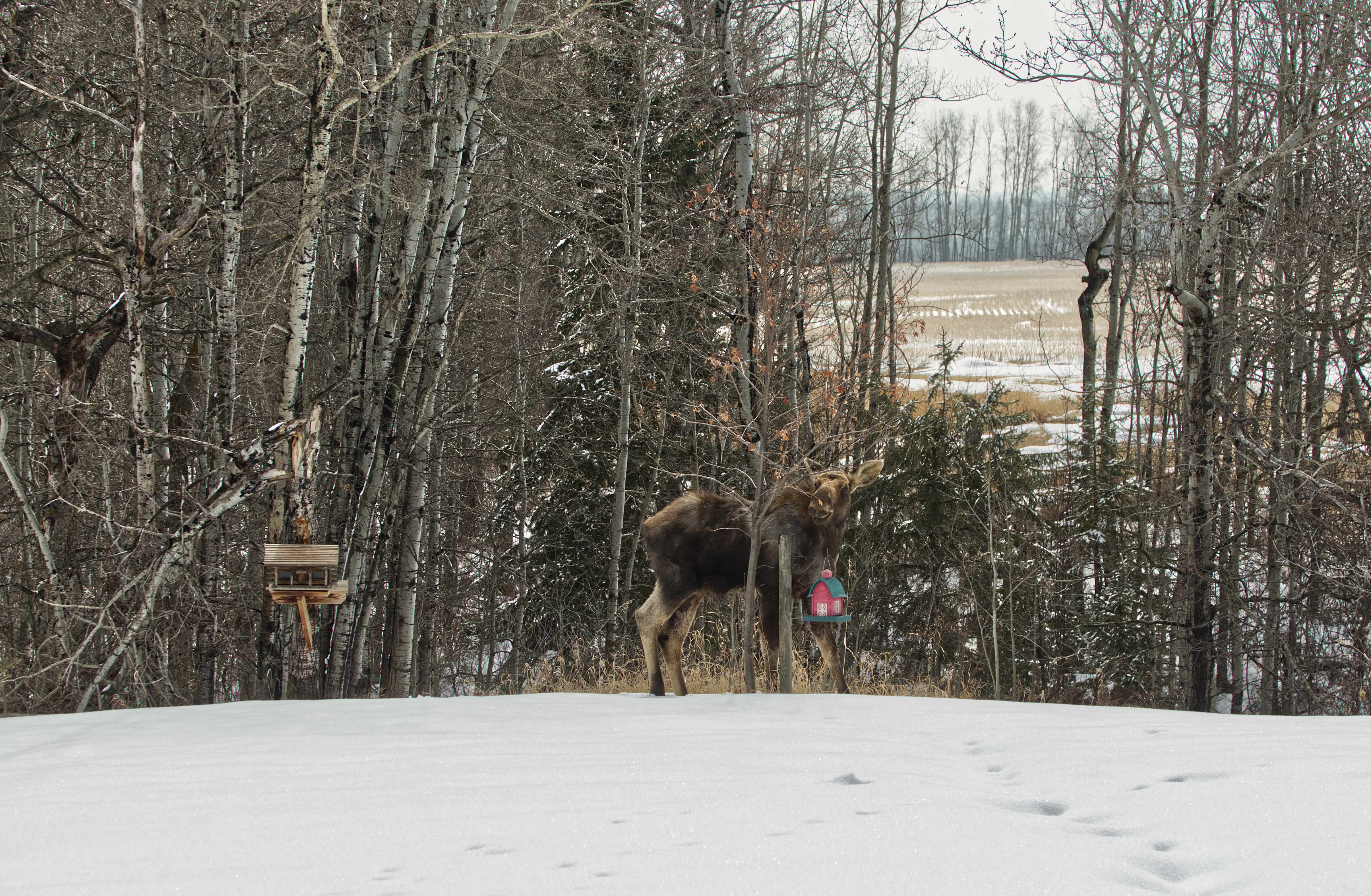
On an early spring day, we saw a moose resting in our yard. A few days later, this same moose grazed on our trees and rose bushes. Then when my husband exited his shop the moose stood only inches away from him—well, that was enough moose for the day. He shooed the moose off our property, and, hopefully, to a better place for food and companionship. Unfortunately, this moose did not have a shiny hide or round belly but was suffering from an infestation of ticks—not uncommon in moose populations. Ticks are known to control species populations and carry diseases. Sometimes it’s hard to imagine why they exist at all! But, all creatures do play a role our diverse ecosystem. And from my research, ticks do help to maintain balance in nature.
That’s not to say I’m going to stop and take a moment to give thanks if I see a tick! One article suggested I do just that. Yes, I can appreciate the perfection of nature’s creatures, however I wasn’t one to collect bugs in jars or hover over the insect displays at the zoo. When my children were young, I put on a brave face as I collected spiders in paper towels and released them back outside, or when I calmly let the kids know that the wasp nest under the front window was going to be taken care of—“no need worry” I said, and then almost hugged the exterminator when he (finally) showed up. Late last summer I began having nightmares about box-elder bugs, so I’m praying that their peak years have now passed.
I’m refusing to lie about my aversion to some bugs even though I do get gently teased from time to time. My husband grew-up on a farm in Saskatchewan. He encourages me to try to “co-exist” better with these multi-legged and winged creatures. My sisters wonder if I am over-exaggerating and being obsessive. I used to try to reason with them until I realized that I couldn’t convince others that my bug anxiety was worth being anxious over (and acknowledged the silliness of evoking an anxiety on another where none existed before). My anxious thoughts, fears, likes and dislikes are true to me, but not ones they may share. Thankfully there are many people who are curious about insects including those drawn to the study of entomology. Thankfully it is our differences in interests, likes and dislikes that help to balance our experiences in this world.
Just days later after our moose event, I tuned into a live YouTube feed to watch the return of the Orion spacecraft carrying the four astronauts—three Americans, and one Canadian—who orbited the moon. Just 10 days before, the NASA Artemis II mission launch had over 10 million world-wide viewers, and now it seemed its return was also bringing many nations together. One Australian commenter wrote in the chat box how moved they were to see so many people from many different countries united to share this one experience. Later, watching the astronauts first public address since their safe return, someone commented that even though they were neither Canadian nor American, they still felt proud as a human being. And it made me consider all the sameness that we do share as human beings.
For example, did you know that Antarctica is the only continent on earth that has no mosquitos? Some places have a low mosquito population, such as Iceland where only recently mosquitoes were seen; and in dry deserts due to a dry and arid environment; but, overall, if you have seen a mosquito, you share that experience with almost everyone else in the whole world!—whether you like or dislike the creatures (who, I also must accept, have a significant role in our ecosystem as a food source and pollinators).
This business of co-existing in this world with diverse bug populations along with people of many cultures, languages and belief systems requires accepting that our likes and dislikes—our differences—are part of a larger tapestry in this shared space we live. How can we make the threads stronger instead of breaking them and upsetting the balance? That’s a philosophical question I’m not scholarly enough to dive into.
But I can take a moment to appreciate that all of life’s creatures, including us human beings, are a significant part of the intricate web that forms this grand tapestry that we call life. So, maybe, just maybe, I’ll learn to appreciate ticks too, one day….
breathing SPACES
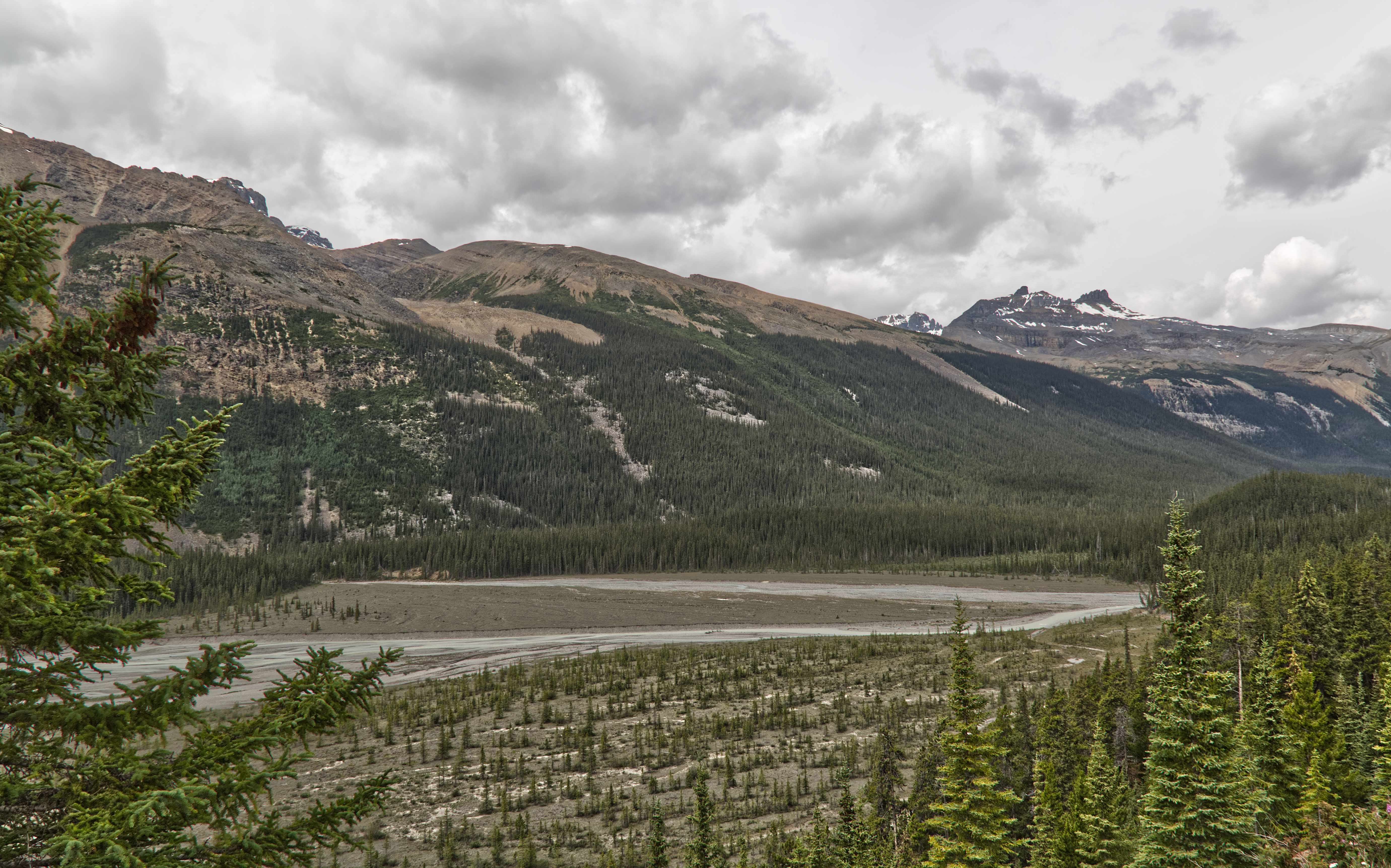
It’s April, but we are still experiencing snow falls. Next post, I hope to have recent pictures again! However, looking back at last summer’s photos still creates those peaceful feelings I had when physical standing in these breathing SPACES hearing the rushing waters, and feeling the fresh mountain breeze on my skin.
Enjoy…

I’m curious to know your thoughts about any of the subjects I touched on. Do you have another perspective?
Dear Lynn, your beautiful photography is always a breathing space for my heart! Your Northland descriptions keep me feeling a little closer to my Alaska kids and grandkids. They have had a moose frequenting their yard also. Scary for this Grandma, but they all have been well-versed in safety protocols! ☺️ And no, tics are definitely not on my co-existing radar. We tend to freak out when we see one on our little Schnauzer. I'm trying to be better also!
Thank you for sharing this — I really enjoyed reading it.
I love how honest you are about the tension between appreciating nature and still not liking certain parts of it. That felt very real.
And the way you connect that to people and our differences is beautiful. 💛